 True academia is not only built within the four walls of a classroom or laboratory. Knowledge comes to life when it meets people, stories, and the territories where nature and culture intertwine. It was with this investigative perspective that students from the Biological Sciences program at Unesc exchanged the campus for direct contact with traditional communities and ecosystems along the southern coast of Santa Catarina.
Divided into two distinct field trips, one in Laguna and the other in Araranguá, the students experienced firsthand how environmental preservation depends, above all, on active listening and dialogue with those who have inhabited and cared for these territories for generations.
Laguna: the millennial harmony between humans, dolphins, and sambaquis
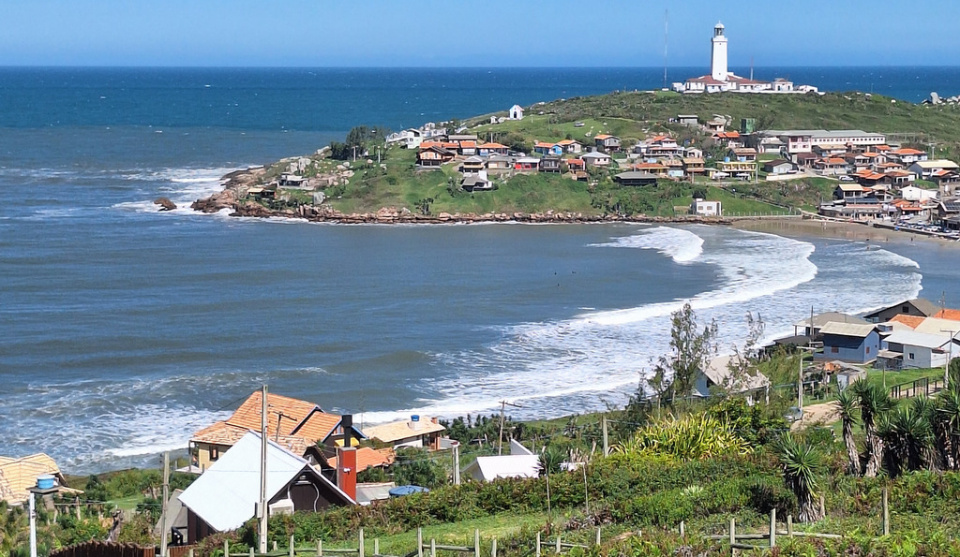
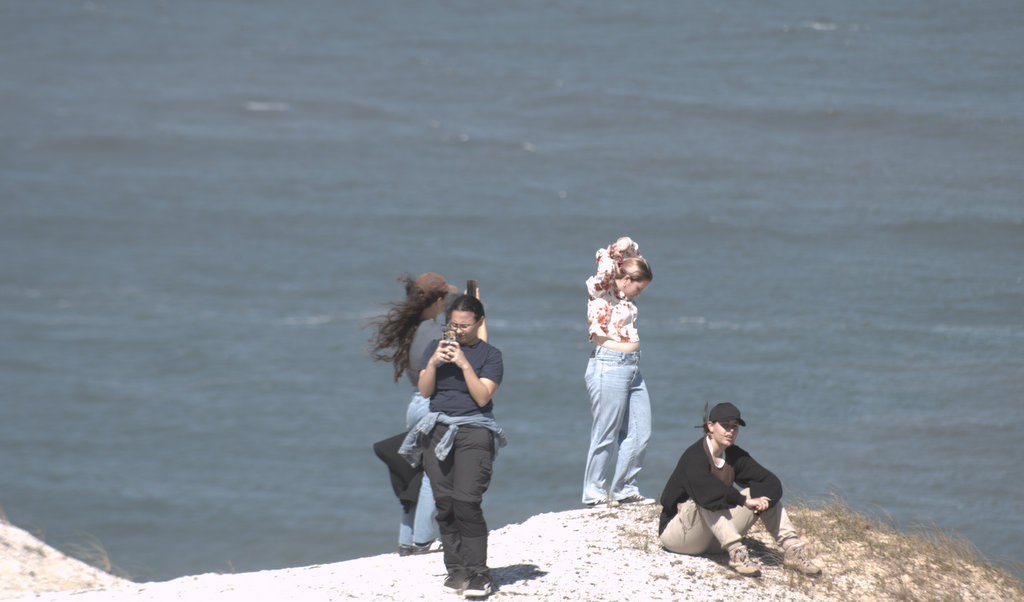
During the first immersion, which took place on Saturday (10/17), the 8th-semester students of the Bachelor’s in Biological Sciences, linked to the Ethnobiology course, headed to the municipality of Laguna. The goal was to understand the complex and interesting relationships between communities and coastal ecosystems.
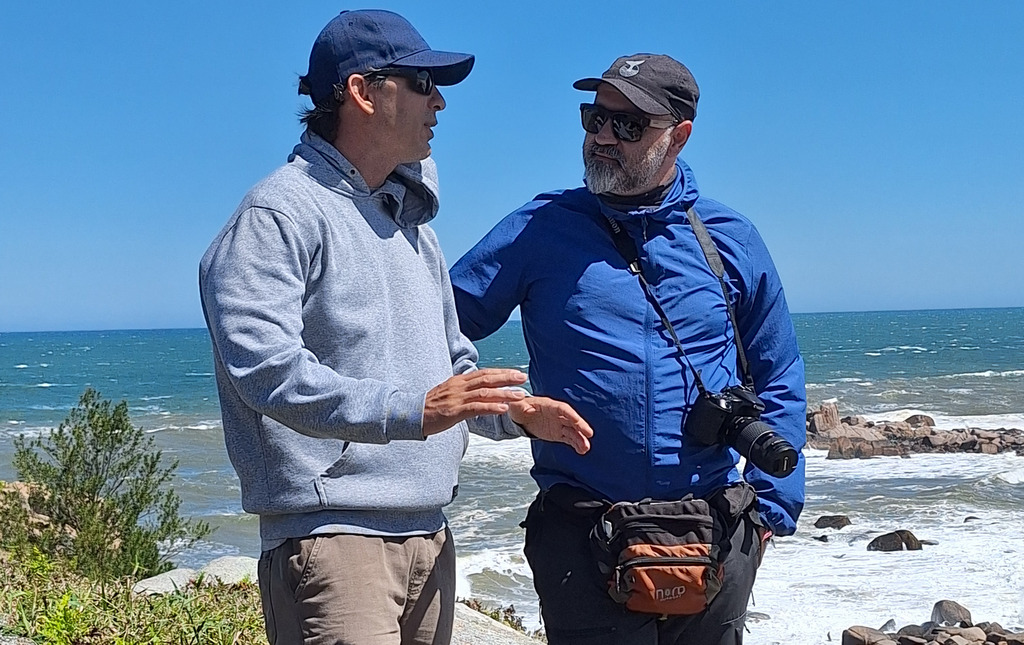
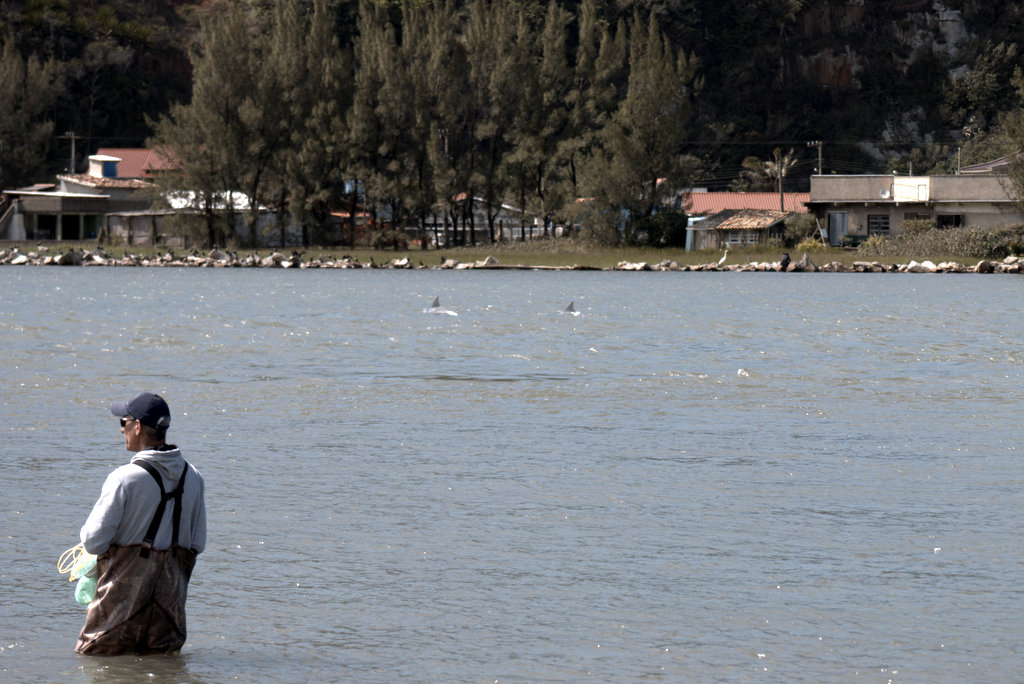
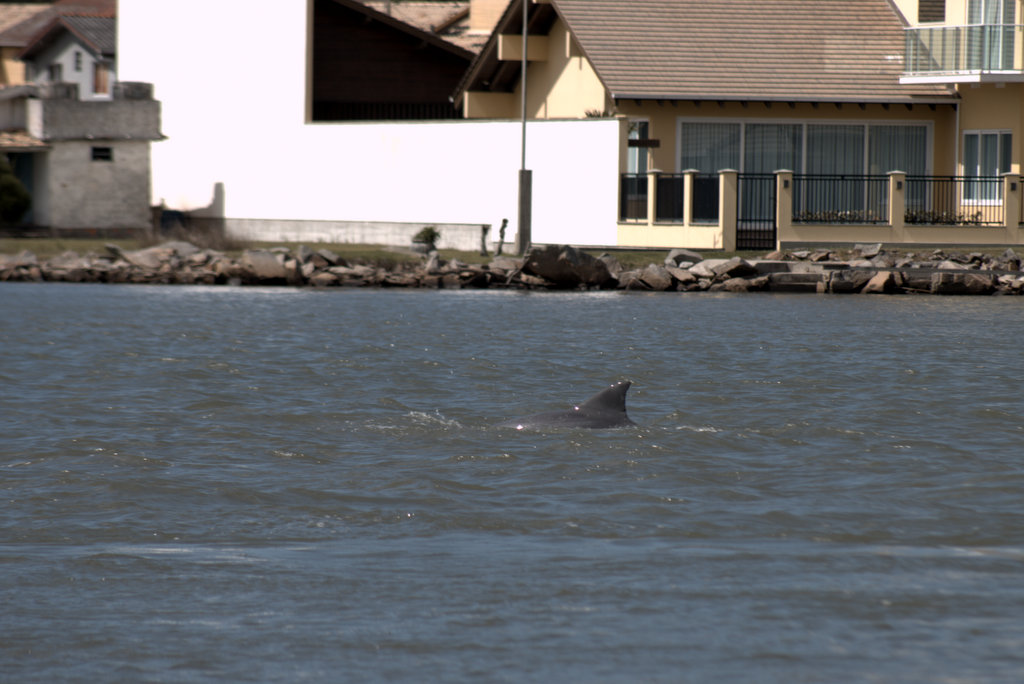
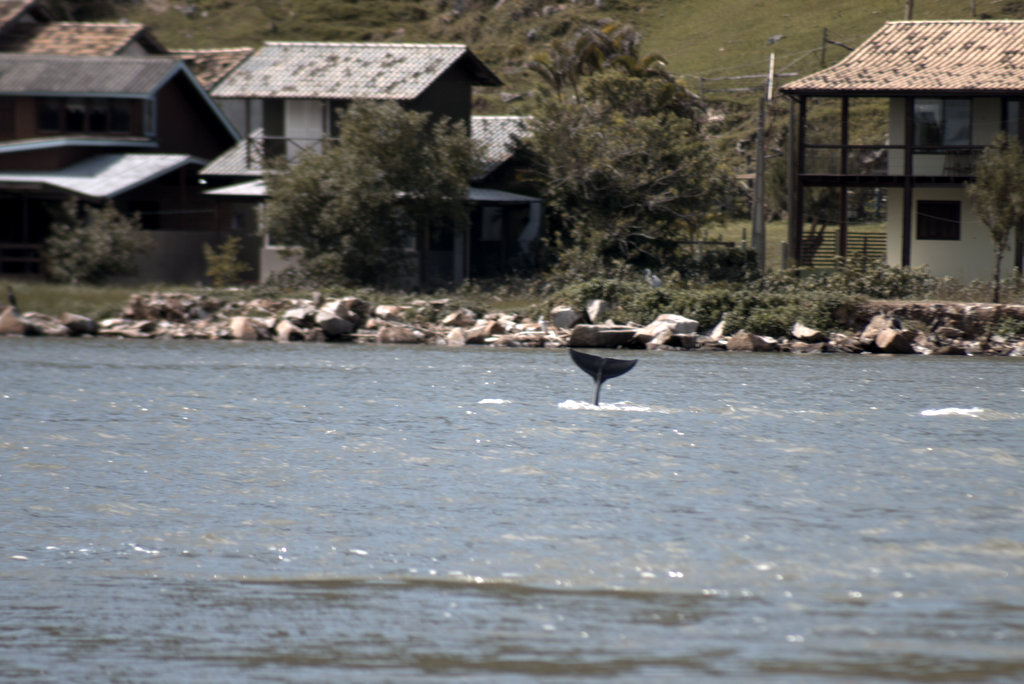
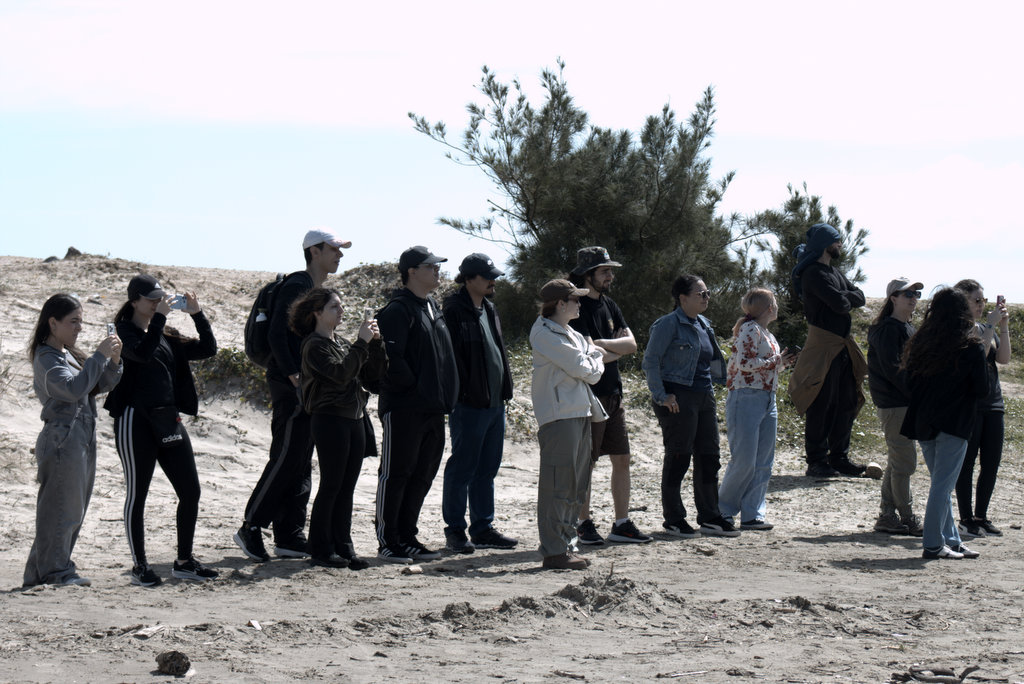 The journey gained significance with the participation of Professor Dr. David Valença Dantas, a fisheries engineer and faculty member at the State University of Santa Catarina (Udesc). Under his guidance, the students analyzed the characteristics of the lagoon complex in the region and the impacts caused by human activity. The highlight of this exchange was the immersion in cooperative fishing with dolphins, a rare and thrilling phenomenon that symbolizes the historical and cultural partnership built between artisanal fishermen and the animals in the estuary.
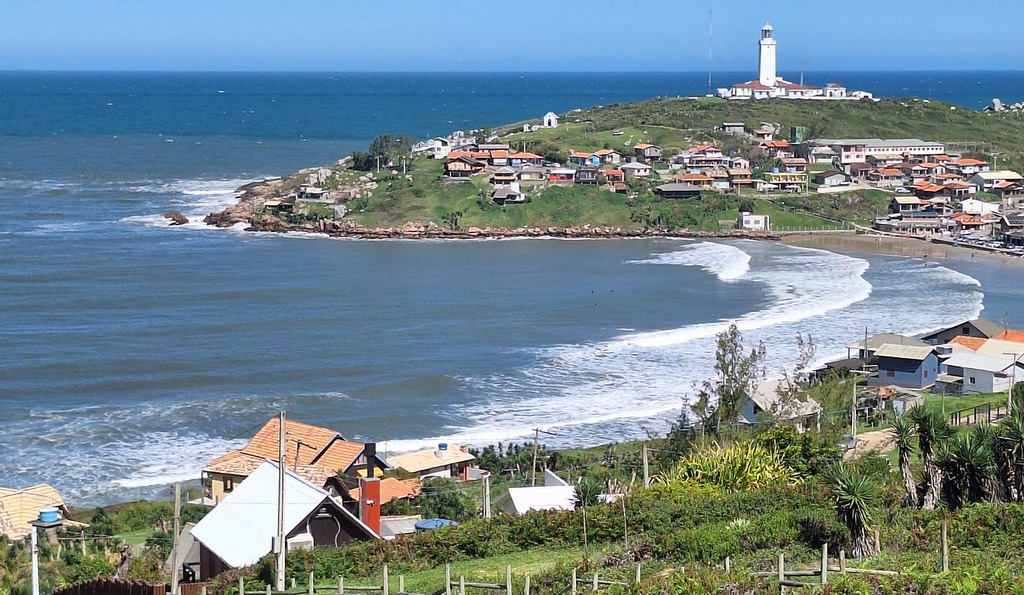
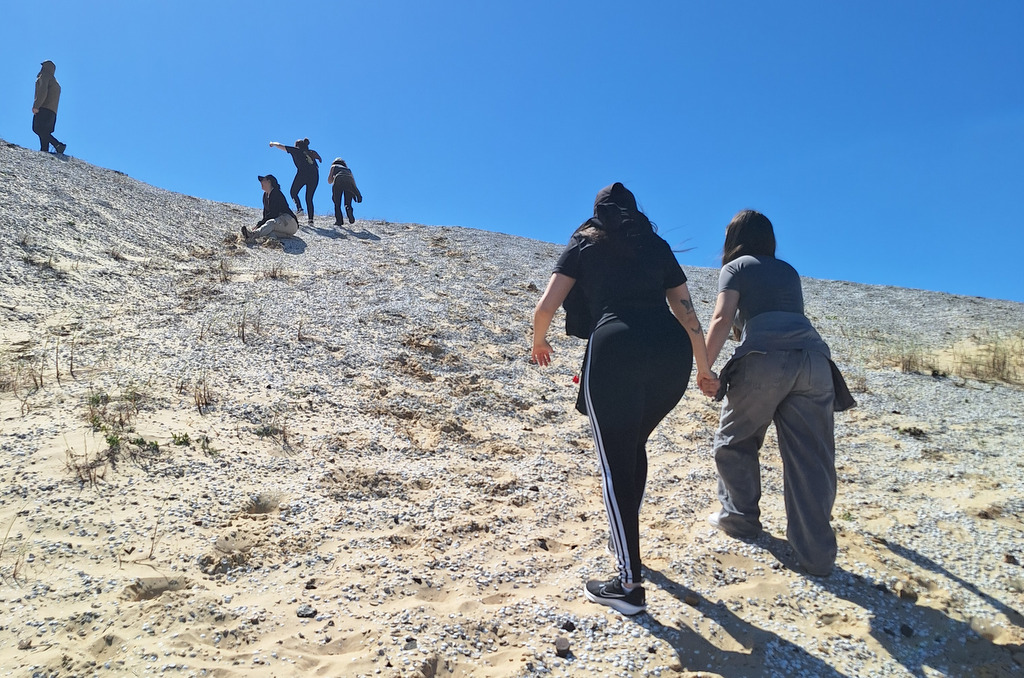
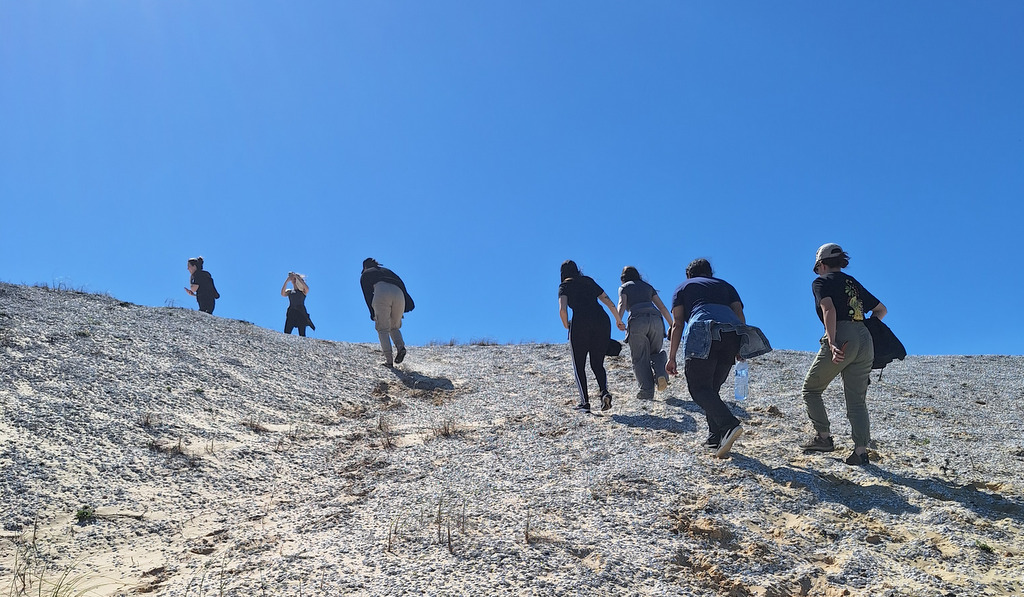
The study trip continued in the community of Farol de Santa Marta. Guided by local fisheries engineer and resident Rafael Campo da Silva, the future biologists got an up-close look at the sambaquis. These immense archaeological sites, built by pre-colonial peoples of fishermen, hunters, and gatherers, serve as true open books about human occupation and the ancestral relationship of these populations with the sea over thousands of years.
Beyond ecological and historical data, the visit to Laguna provided the collection of valuable information and strengthened scientific knowledge, which goes hand in hand with ethics, empathy, and respect for local ways of life.
Araranguá: quilombola resistance and the strength of artisanal fishing
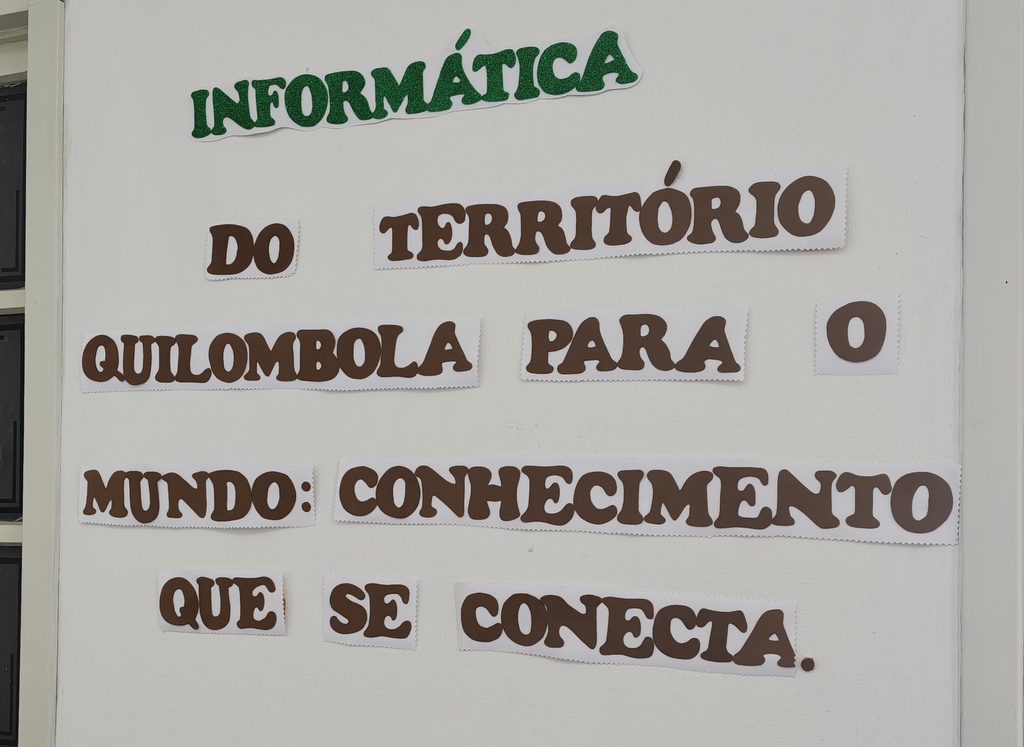 In a second moment, on Thursday (10/29), the exchange of knowledge brought together students from different stages of their degree programs. The 8th-semester students of the Bachelor’s program in Biological Sciences, in the Ethnobiology course, joined their colleagues from the 2nd semester of the Bachelor’s in Biological Sciences, in the Internship II course. Together, they visited Araranguá to closely learn about the realities, struggles, and traditions of two emblematic communities in the region.
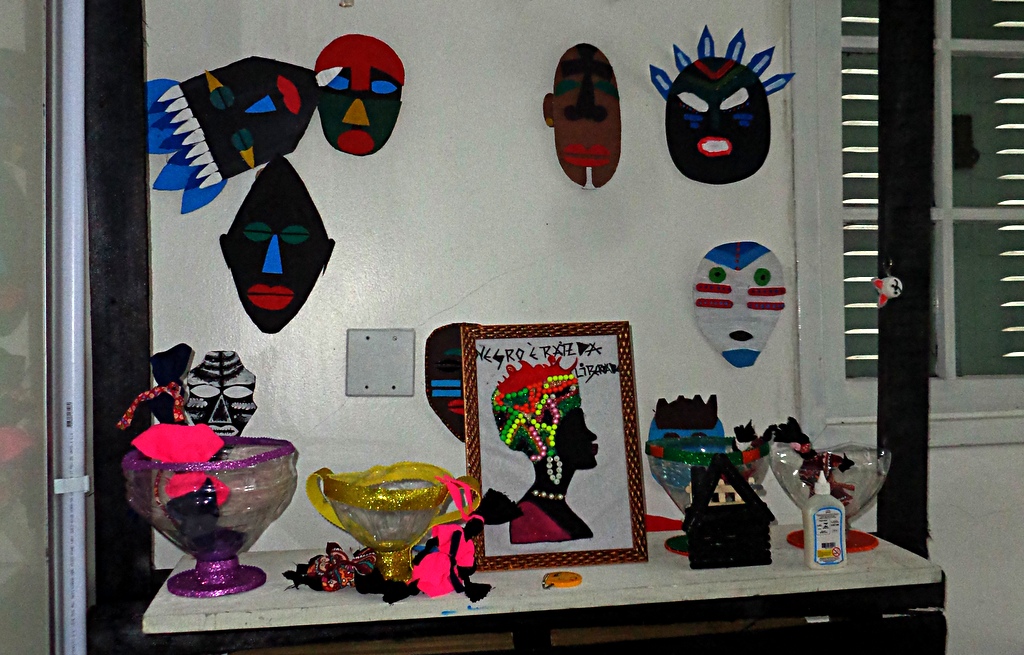
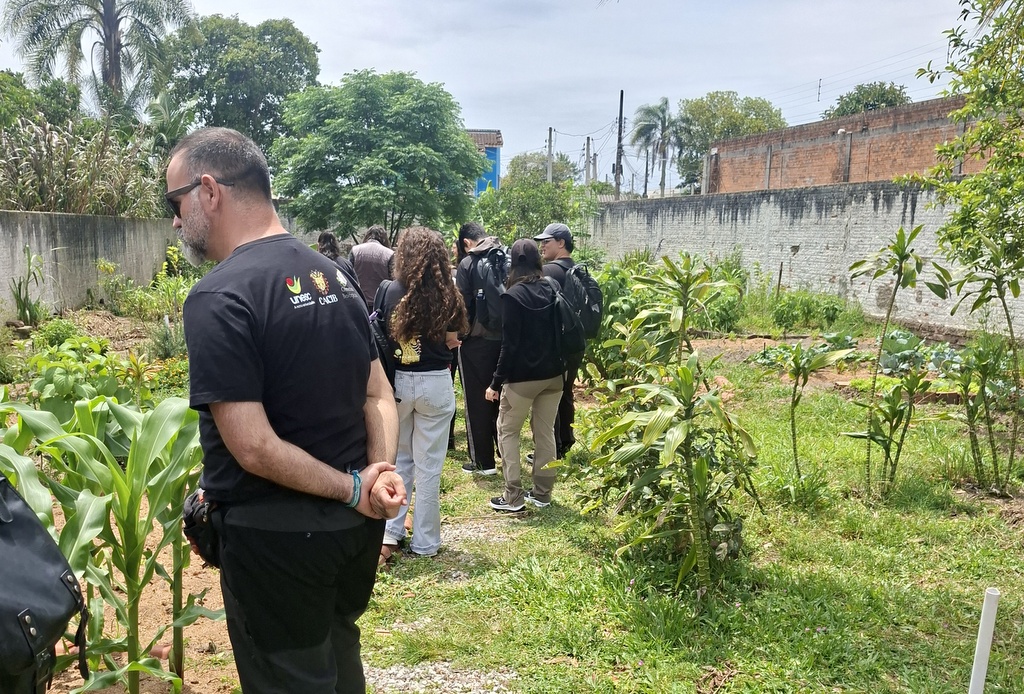 The first stop was at Quilombo Maria Rosalina. In a meeting marked by warmth and the exchange of experiences, the students learned about the community's resistance journey in the fight for official recognition, the preservation of their territory, and the maintenance of their roots in the face of urban expansion. The dialogue also highlighted the challenges in accessing education and introduced visitors to the community garden, a vibrant space that symbolizes unity, collective work, and the strengthening of bonds among residents.
Next, the group headed to the fishing community of Ilhas, also in Araranguá. There, the focus shifted to artisanal fishing and the intimate relationship of the workers with the estuarine environment. The students were able to understand the impacts of environmental changes on the fishermen's routines and celebrated an important cultural revival with the resumption of cooperative fishing with the Lahille dolphin in the estuary of the Araranguá River, a practice that reaffirms the identity and living heritage of that population.
A more human and integrated education
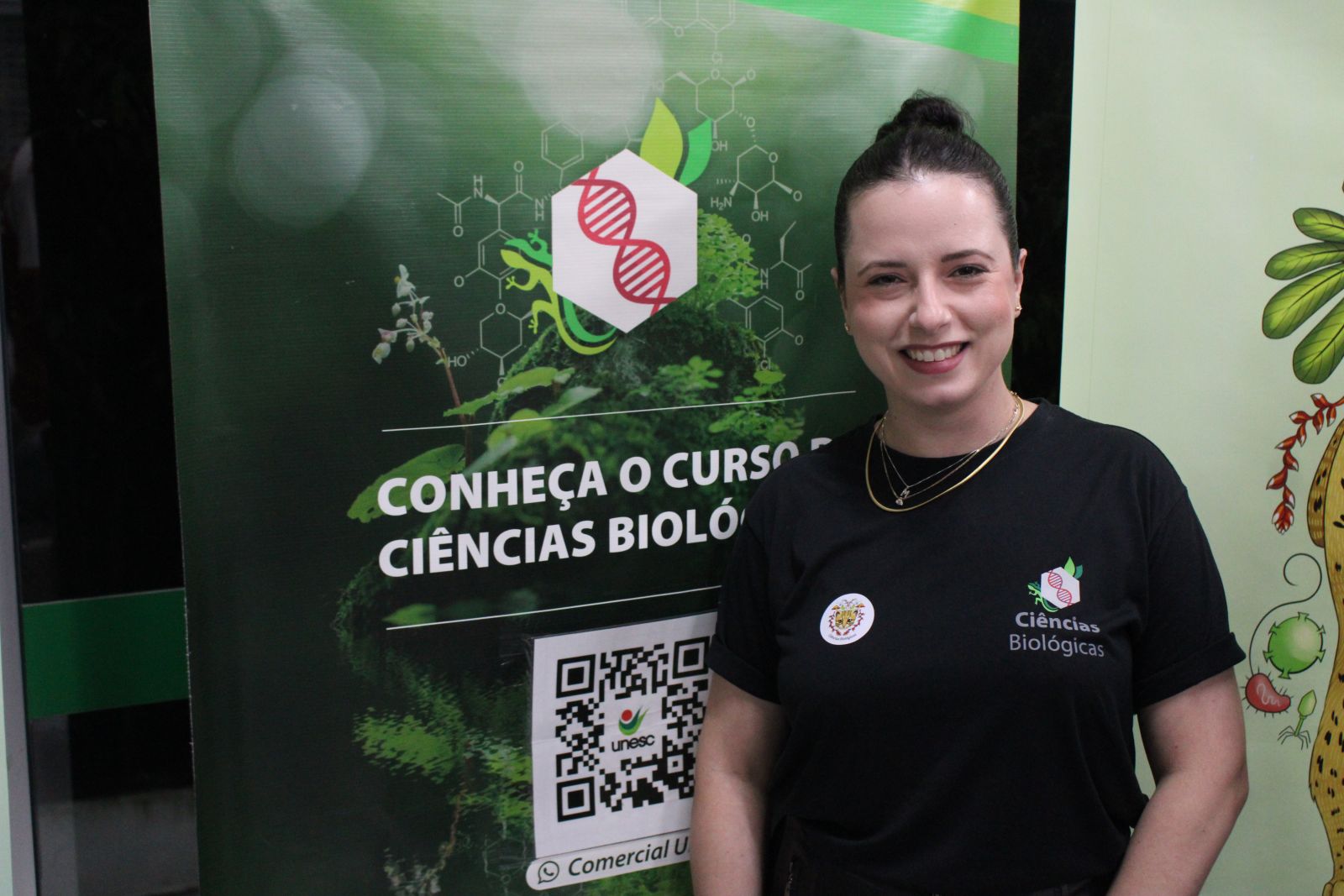 For the program coordinator, Mainara Figueiredo Cascaes, by uniting the experiences of Laguna and Araranguá, the field activities played a transformative role in the journey of Unesc students.
“Whether in scientific research or in their future roles as Science and Biology teachers in schools, the students carried with them the certainty that territory, identity, and biodiversity are parts of the same story, and that protecting nature necessarily requires valuing the people who are part of it,” explained the coordinator.